Skiing in Gulmarg: the complete guide
Written by the Gulmarg Ski Guides team. We live in the Tangmarg and Gulmarg area year round and have been guiding skiers on Apharwat since the gondola's early days. Everything below comes from skiing this mountain, not from other websites.
Gulmarg is a ski resort in the Pir Panjal range of Kashmir, about 50 km from Srinagar. The village sits at 2,650 metres, and the gondola takes you to nearly 4,000 metres on Apharwat Peak. That top station is one of the highest lift-served points for skiing anywhere in the world.
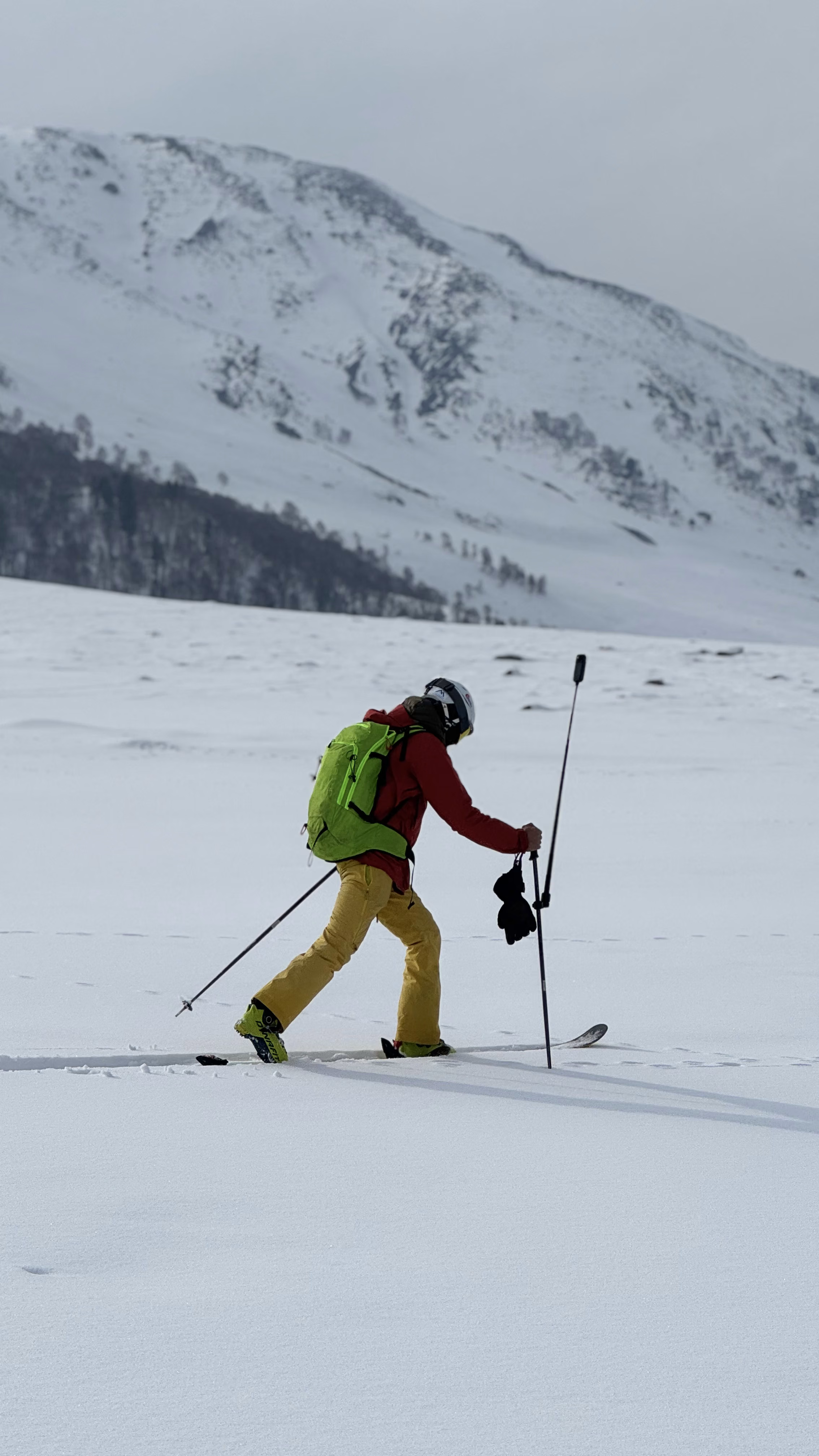
People come here for one thing: deep, dry Himalayan snow with almost nobody on it. On a Tuesday in January you can ride the gondola to the top, drop into a bowl the size of a small European resort, and not cross another track. That still surprises visitors, even the ones who read about it before coming.
This page covers the mountain itself. For lessons, gear, trip logistics, safety, and off-piste skiing, we've written separate detailed guides, linked throughout.
Why ski in Gulmarg
Three honest reasons, and one honest warning.
First, the snow. Storms roll in from the west and dump a metre or more at a time. Because Gulmarg is high and the winter air is cold and dry, the snow stays light. Skiers who've done Japan compare it favourably on the good days.
Second, the terrain. Apharwat is a long ridgeline with bowls, gullies, shoulders and faces spilling off it in every direction. Almost none of it is groomed. Above the mid station, the whole mountain is essentially one giant off-piste area.
Third, the cost. A day here, including a guide, lift pass, rental gear and a decent hotel, usually costs less than a lift ticket alone at a big American resort. Your money goes a long way in Kashmir.
Now the warning: Gulmarg is not a polished resort. Lifts stop for wind. Power cuts happen. The mountain is avalanche terrain and you need to treat it that way. If you want heated gondola cabins and slope-side espresso, go to Courchevel. If you want wild snow and don't mind rough edges, you'll love it here.
A short history of skiing in Gulmarg
The name Gulmarg means "meadow of flowers." Local records credit Sultan Yousuf Shah Chak with naming it in the 16th century, when it was a summer retreat.
Skiing arrived with the British. Army officers on leave started sliding around the meadow in the early 1900s, and the Ski Club of India was set up in Gulmarg in 1927. For decades after independence, skiing here stayed small: a couple of surface lifts, a government ski school, mostly domestic visitors learning snowplough turns on the meadow.
The gondola changed everything. Phase 1 to Kongdoori opened in 1998, and Phase 2 to the Apharwat shoulder opened in 2005. Once skiers could reach 3,980 metres by cable car, word got out fast. Freeride films were shot here, magazines wrote it up, and Gulmarg went from a curiosity to a destination that serious powder skiers plan whole seasons around.
We watched that shift happen from inside it. Many of today's local guides, ourselves included, learned to ski on the meadow as kids and moved onto Apharwat as the sport grew.
Understanding the geography
Picture three levels.
The meadow (2,650 m). The village of Gulmarg sits in a huge bowl-shaped meadow ringed by pine forest. This is where the hotels, restaurants, ski schools and beginner slopes are. Gentle gradients, perfect for first-timers.
Kongdoori (around 3,080 m). The gondola mid station. There's a chairlift here plus a couple of surface lifts, some marked runs, and restaurants selling maggi noodles and kahwa. Intermediates spend most of their time in this zone, and the tree runs down toward Babarishi and Drang start from here.
Apharwat (3,980 m at the top station, 4,200 m at the peak). Phase 2 territory. Open alpine bowls above the treeline, no grooming, no marked runs in any real sense. This is where the famous Gulmarg skiing happens, and it's guide territory. The main descent back to Kongdoori drops about 900 vertical metres.
Beyond the top station, a short hike along the ridge opens up lines toward Mary's Shoulder, Shark Fin and the bowls skiers talk about in hushed tones. More on those in our powder and freeride guide.
The Gulmarg gondola
The gondola runs in two stages: Gulmarg to Kongdoori (Phase 1) and Kongdoori to Apharwat (Phase 2). A chairlift and drag lifts fill out the Kongdoori area.
Things worth knowing before you queue up:
- Phase 2 closes in high wind and during avalanche control work. Some weeks it runs daily; some weeks it barely opens. Build slack into your trip.
- Tickets are sold per phase, per ride or per day. Prices change season to season, so check current rates when you book (we confirm them for all our guests). Budget roughly for a mid-range European day pass and you'll usually be pleasantly surprised.
- Mornings are quieter. Weekend afternoons get busy with sightseers riding up for the view, especially around Indian holiday periods.
- The altitude jump from 2,650 m to nearly 4,000 m in about 20 minutes is real. Drink water, take the first run easy.
Ski terrain explained
There's no trail map in the normal sense above Kongdoori, so here's how we describe the mountain to guests.
Beginner: the meadow slopes near the village. Wide, gentle, serviced by drag lifts. You could learn here for a week without getting bored. Our lessons page covers this in detail.
Intermediate: the Kongdoori zone. The chairlift laps a pleasant, moderate face, and the long run from Phase 1 down to the village winds through open ground and trees. On a powder day, the tree runs toward Babarishi give intermediates their first taste of real Gulmarg snow, with a guide.
Advanced: everything off Phase 2. The standard bowls straight under the gondola are the entry point. From there it escalates: Mary's Shoulder, the hike to the summit ridge, steep gullies skiers call the chutes, and long descents to Drang village at around 2,100 m, which can be a 1,800 vertical metre run on the right day.
One thing we tell every guest: ability level matters less here than avalanche awareness. A strong skier with no off-piste experience needs a guide on Apharwat more than an average skier with ten seasons of backcountry judgment. Read our safety guide before you come. Please.
Snowfall and climate
Gulmarg gets its snow from western disturbances, weather systems that travel from the Mediterranean across Iran and Afghanistan before hitting the Pir Panjal. When one arrives, it usually snows hard for one to three days, then clears to blue sky.
A typical winter:
- December: the base builds. Early December can be thin; by late December the meadow is usually white and the mountain is filling in. Cold, short days.
- January: peak winter. This is the local period called Chillai Kalan, the 40 hardest days of cold. Storms are frequent, the snow is at its driest, and this is when we'd come if we had one trip a year.
- February: the sweet spot for many visitors. Still plenty of storms, slightly longer days, slightly warmer, and the deepest base of the season.
- March: spring skiing. The snow turns to corn on sunny aspects, storms still arrive but are wetter, and the crowds thin out. Good month for ski touring.
Season totals vary a lot year to year. Big winters bury the village past the first-floor windows. Lean winters still deliver several proper powder cycles. There is no bad January here, only better and worse ones.
Best time to visit
Short version: mid-January to late February for powder, March for touring and sunshine, late December if you want holiday atmosphere and don't mind a thinner base.
If your dates are flexible, watch the forecast about ten days out and aim to arrive just before a storm cycle, then ski the clear days after it. If your dates are fixed, don't stress. With a week in Gulmarg between January and early March, the odds of hitting at least one deep day are strongly in your favour.
Avoid expecting much before mid-December or after early April. The lifts may run, but you're gambling on conditions.
Planning your trip
The practical stuff, briefly. Our full trip planning guide goes deep on all of this.
- Getting here: fly to Srinagar (SXR), then it's a 1.5 to 2 hour drive via Tangmarg. In heavy snow, you transfer to 4x4s or snow vehicles for the final climb. We arrange airport pickups for guests.
- Staying: options run from simple guesthouses to the five-star Khyber resort. Book early for January and February.
- Duration: come for at least 5 to 7 ski days. Weather eats days here, and you want margin.
- Connectivity: postpaid Indian SIMs work; prepaid SIMs from outside Jammu and Kashmir generally don't. Hotel wifi exists and is temperamental.
- Money: carry cash. ATMs exist in Gulmarg and Tangmarg but don't bet your trip on them.
Frequently asked questions
Is Gulmarg good for beginners?
Yes, genuinely. The meadow slopes are gentle, lessons are cheap by global standards, and the ski culture is welcoming. Beginners just need to accept that the famous upper mountain isn't for them yet. See our lessons guide.
Do I need a guide in Gulmarg?
On the meadow and the marked Kongdoori runs, no. Anywhere off Phase 2 or in the trees, yes. The upper mountain is uncontrolled avalanche terrain. This isn't a sales line; it's how people stay alive here.
How does Gulmarg compare to the Alps or Japan?
Snow quality on good days rivals Japan. Terrain scale rivals the Alps. Infrastructure, grooming and reliability don't compare to either, and that's part of the deal. You trade convenience for empty powder.
Is Gulmarg safe to visit?
Tourism runs through winter and thousands of foreign and domestic skiers visit each season without trouble. Check your government's current travel advisory before booking, and buy travel insurance that covers off-piste skiing with a guide.
What altitude is Gulmarg?
The village is at about 2,650 m, the gondola mid station around 3,080 m, and the top station around 3,980 m. Apharwat Peak itself is roughly 4,200 m.